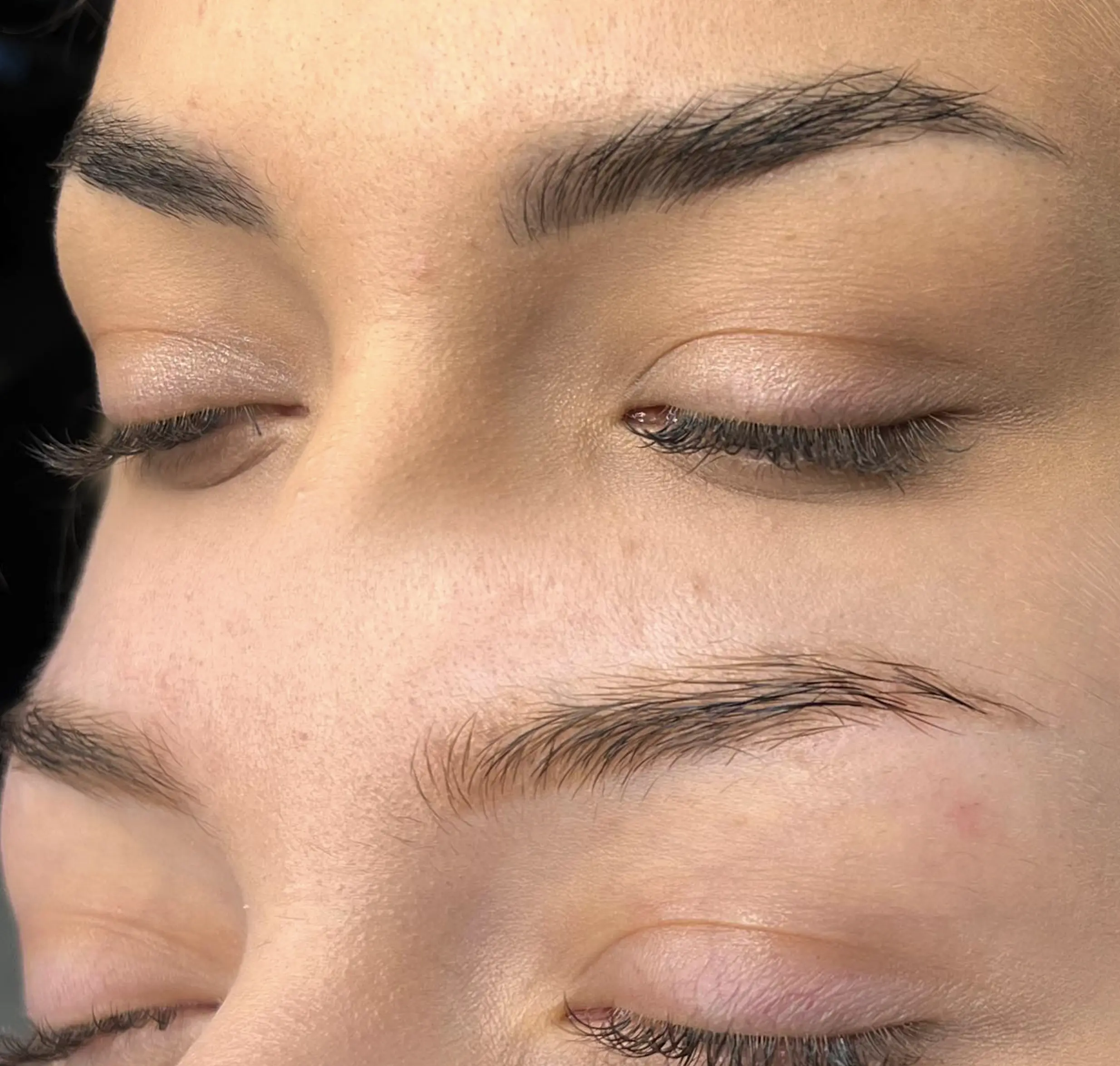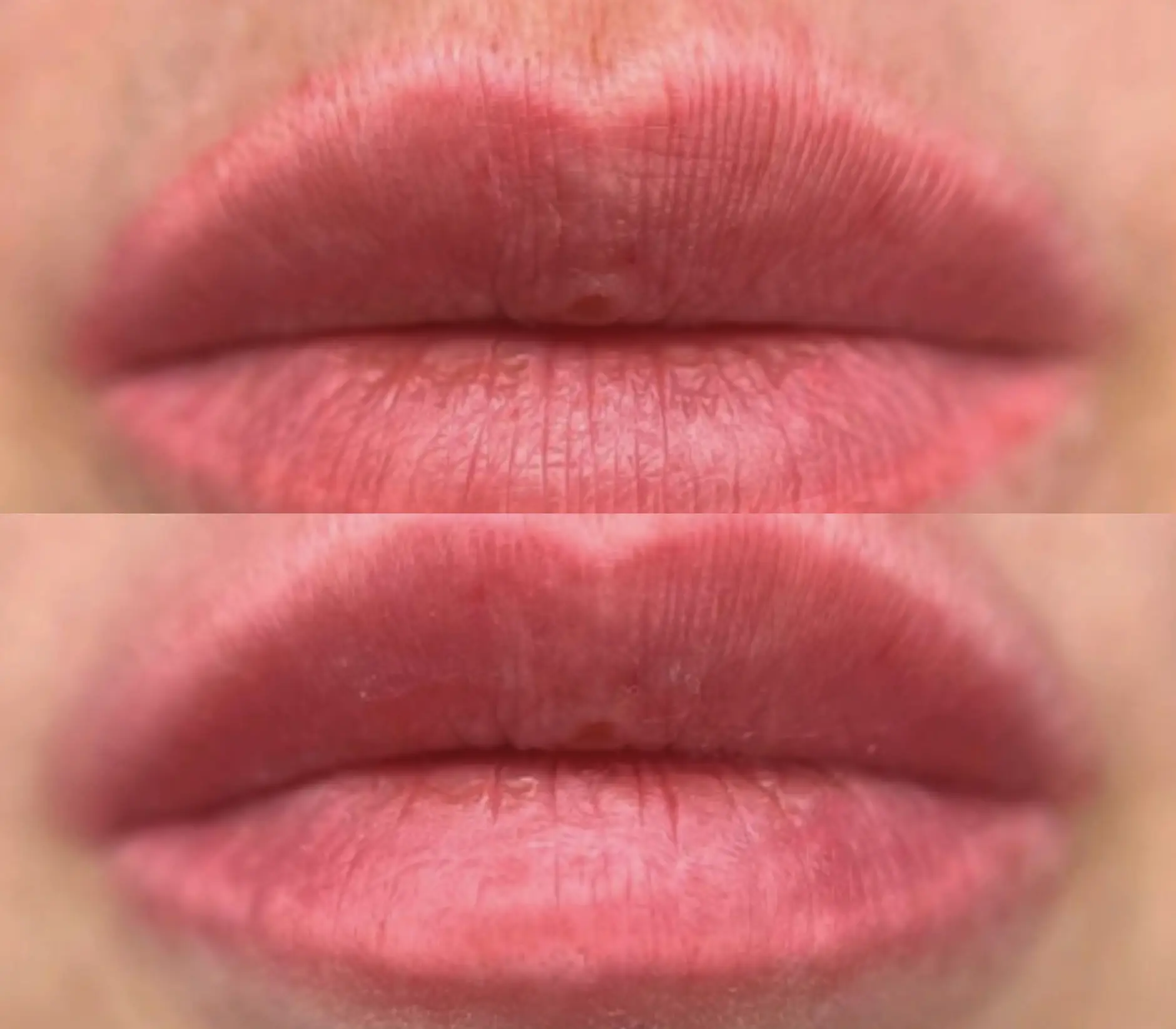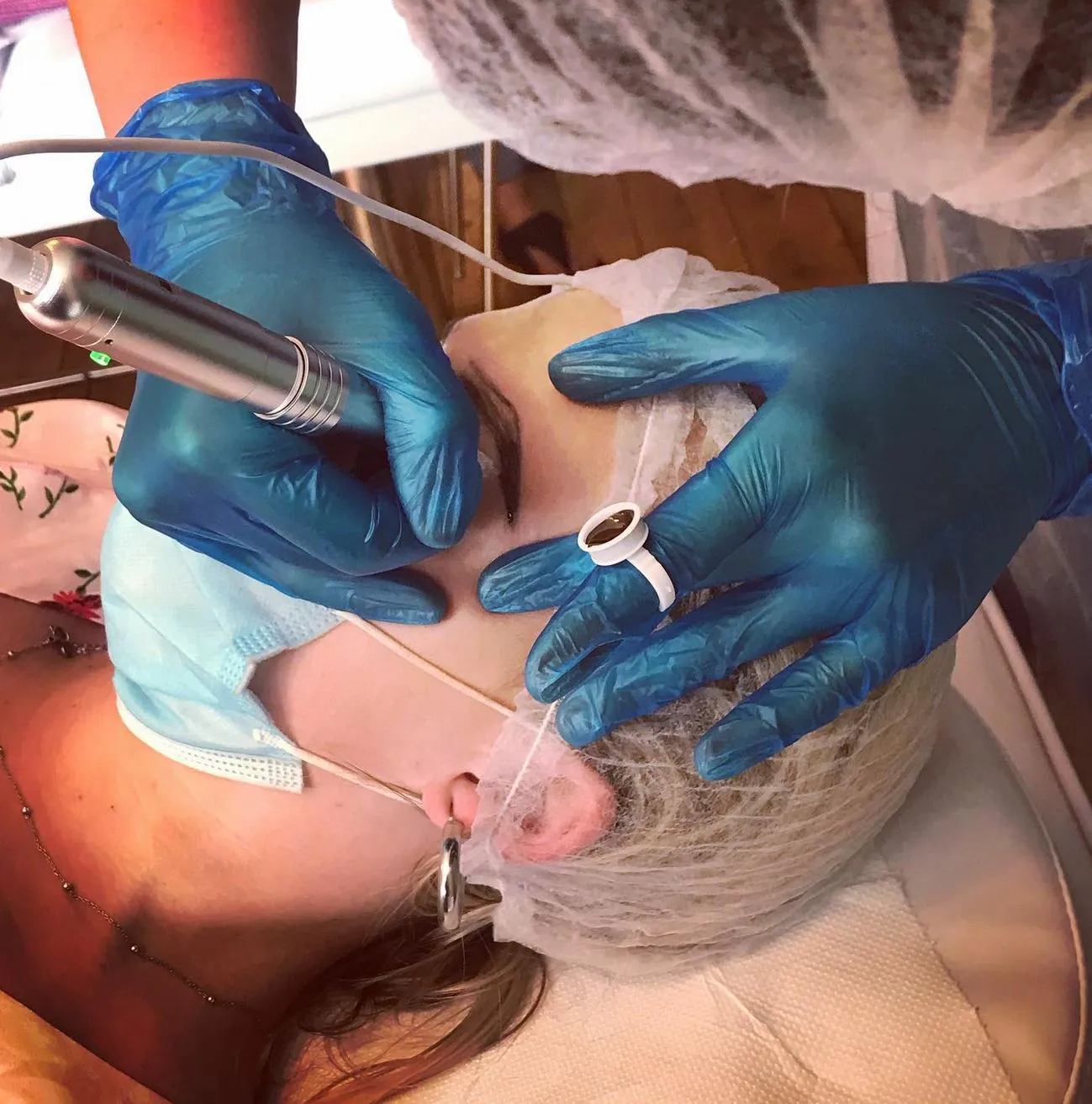
If you’ve ever looked at a pair of perfectly shaped brows and thought, “I want to do that,” you’re not alone. Cosmetic tattooing — especially brow work — has exploded in popularity in Melbourne, and for good reason: it delivers face-flattering results with minimal upkeep. But if you’re a total beginner looking to break into the cosmetic tattoo industry, there’s a flood of training courses out there claiming to teach you everything overnight. Spoiler alert: not all of them deliver.
I’m Olha Po, founder of Cosmetic Tattoo Melbourne Studio Face Figurati, and after nearly a decade of correcting rushed brows and training upcoming artists, I can confidently say: the best eyebrow tattoo course for complete beginners isn’t just about technique. It’s about building real skill, confidence, and a safety-first mindset that protects your clients and your reputation.
Starting with Purpose
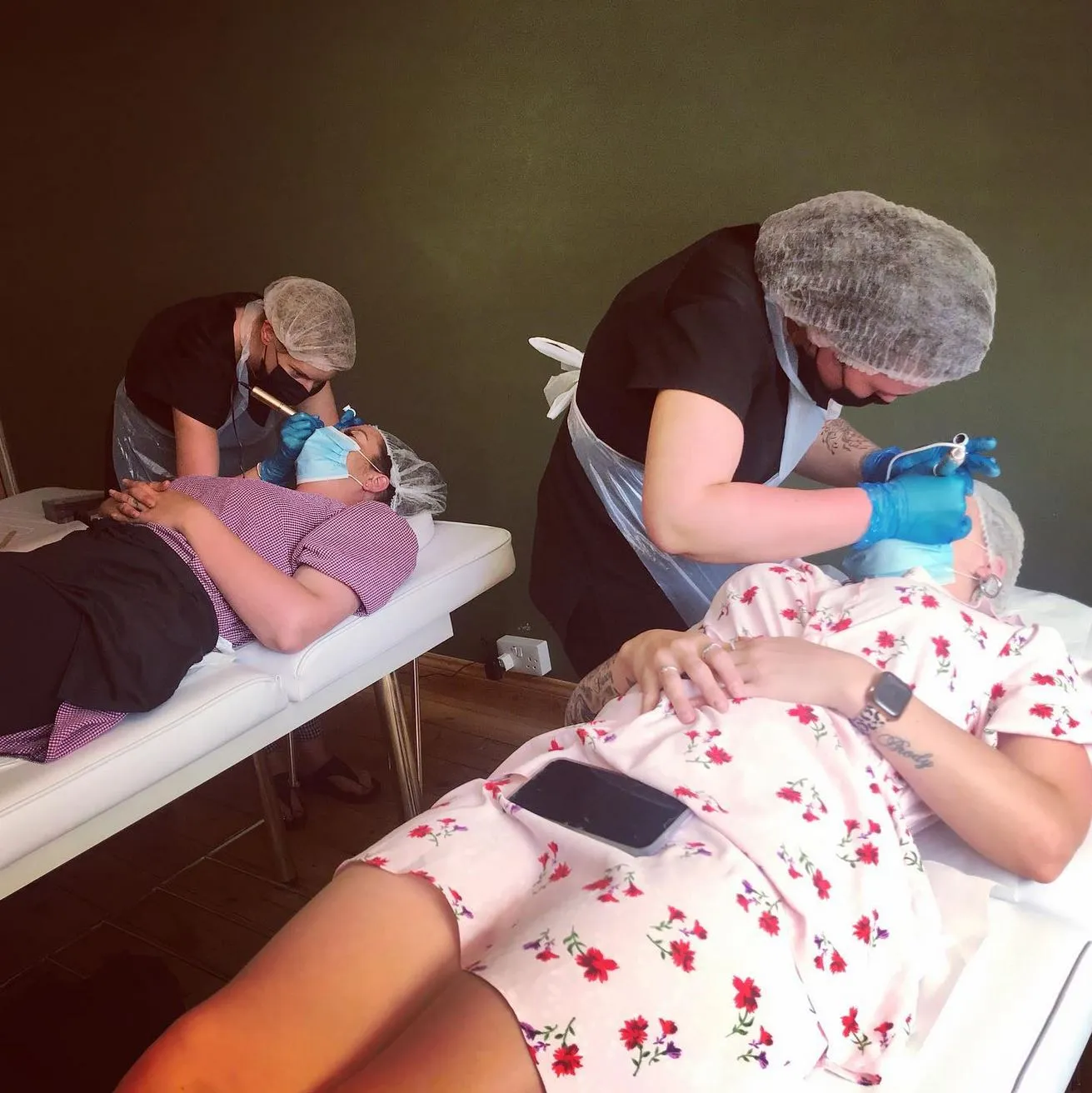
A great brow tattoo training program should do more than tick a few boxes for certification. If you’re brand new to the beauty industry (or switching from makeup or lashes), your course should give you:
- Foundation in facial anatomy, eyebrow shaping, and brow mapping
- Hands-on practice on fake skin and real models
- Clear, honest feedback from trainers with real-world cosmetic tattooing experience
- Understanding of skin tones, skin undertones, colour theory, and pigment behaviour
- Infection control and hygiene procedures that meet Australian standards (including the use of disposable gloves)
Too many courses promise you’ll be working on clients in a weekend. That’s like learning to cut hair by watching one YouTube video. Trust me — we see the results walk into Cosmetic Tattoo Melbourne Studio Face Figurati all the time. A solid foundation matters.
How to Spot a Quality Beginner Course
1. Course Duration and Structure
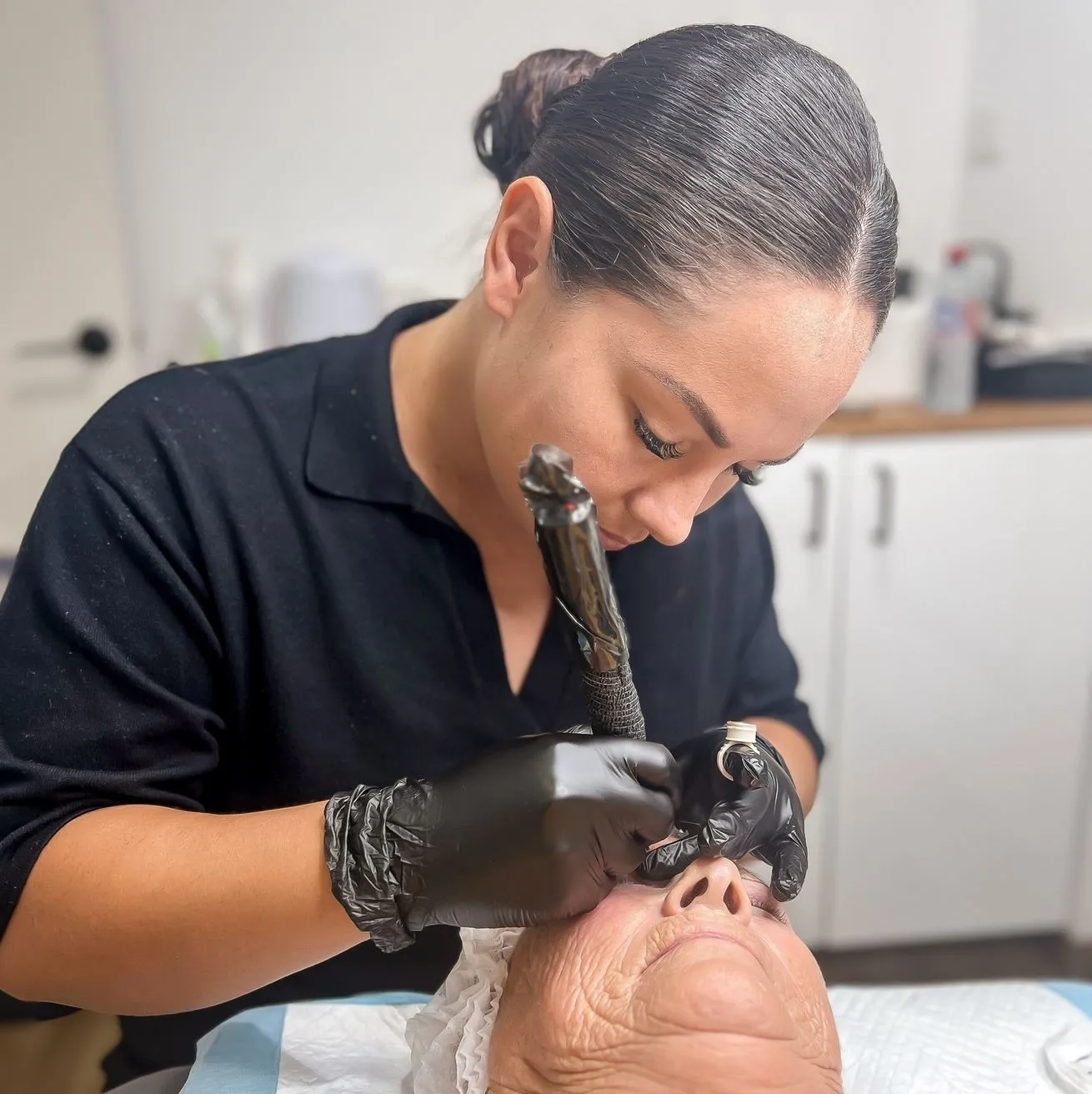
Good cosmetic tattoo training takes time. Beginner-friendly courses should run for at least 4 to 6 days, including theory, practice, and supervised work on live models. Anything less is a red flag.
Look for a structure like this:
| Day | Focus Area |
|---|---|
| 1 | Skin anatomy, contraindications, infection control |
| 2 | Colour theory, skin tones, skin undertones, pigment basics |
| 3 | Brow mapping, eyebrow shaping, and design methods |
| 4 | Tattoo machine handling, latex work, microblading hand tools |
| 5 | Live model consultation under supervision |
| 6 | Final practice, certificate of completion |
2. Experienced Trainer With Ongoing Support
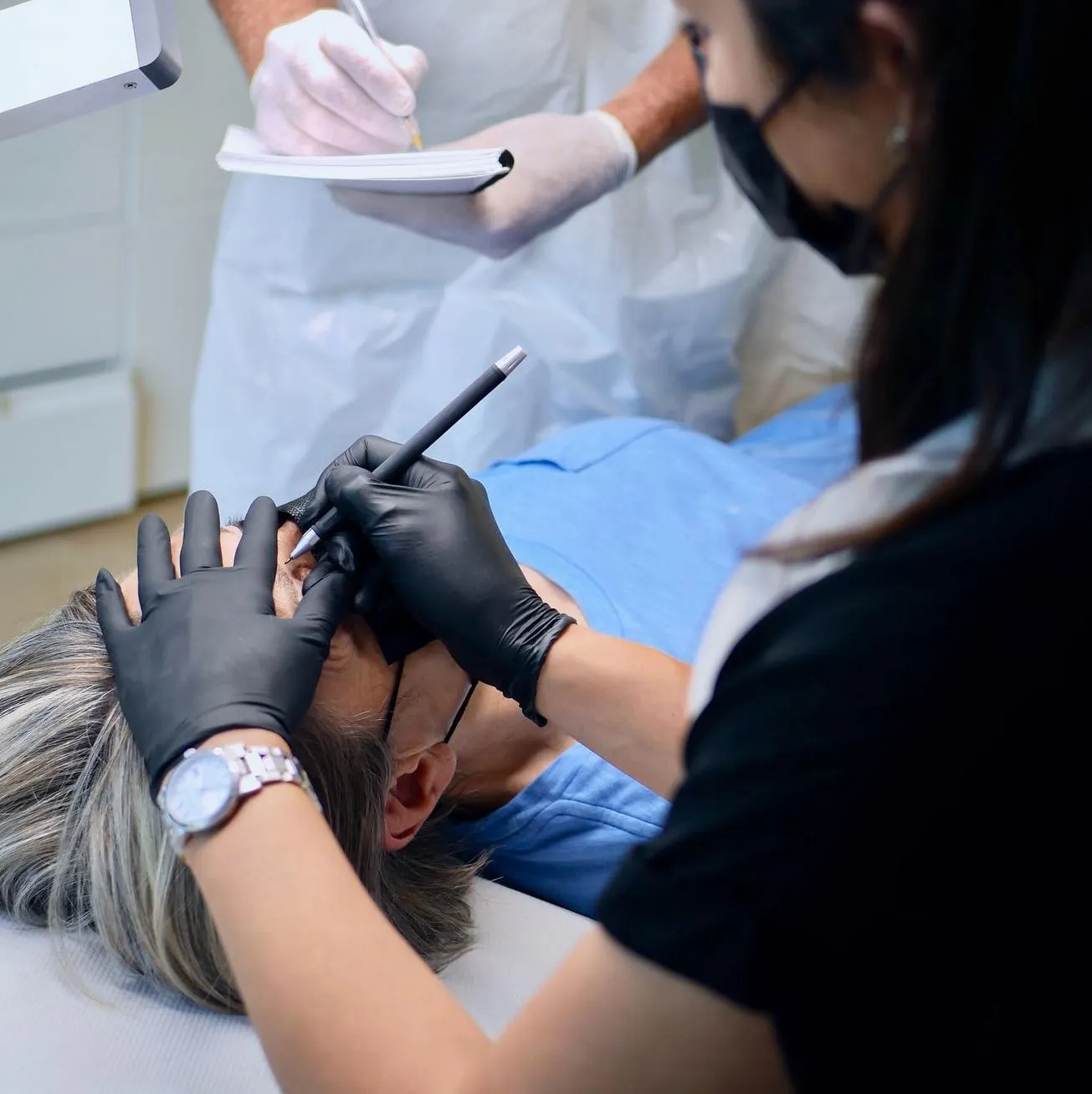
Is your trainer actively working in the industry? Have they tattooed hundreds of brows? Do they offer after-course mentoring or follow-up sessions? These things matter. It’s not just about what happens during the course — it’s what happens when you go home with your first real client booked.
At Cosmetic Tattoo Melbourne Studio Face Figurati, our eyebrow tattoo training is backed by years of industry experience, and we stay in touch with students as they build their portfolio.
3. Small Class Sizes
Personal feedback is crucial. If you’re one of 10 students, you’re unlikely to get quality hands-on time. Look for classes capped at 4 students or fewer for a better learning experience.
Not All Brow Courses Are Equal
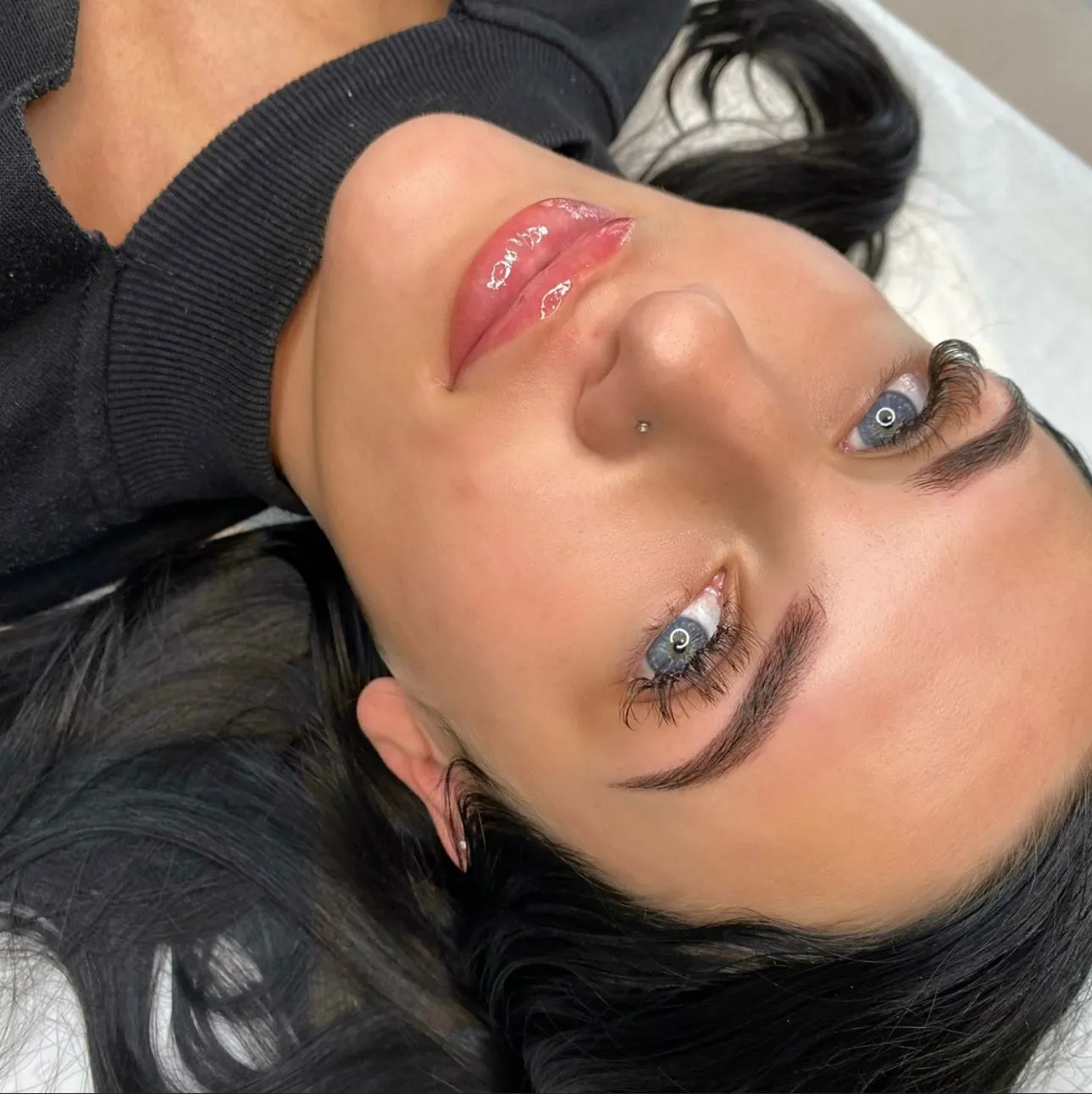
Here’s what we cover with our beginner artists at Face Figurati (and what any solid cosmetic tattoo training program should offer you):
Fundamental Skills
- Brow mapping for different face and eye shapes
- Eyebrow shaping fundamentals
- Proper stretch and pressure techniques
- Tattoo machine and microblading hand tools setup
- Hygiene, disinfection, and the use of disposable gloves
Cosmetic Tattoo Theory
- Skin layers and how pigment interacts with them
- Colour theory and pigment selection based on skin tones and undertones
- Understanding pigment retention and fading over time
Practical Experience
- Practising hair strokes on fake skin
- Performing brow tattooing on live models
- Analysing client skin types, including oily or scarred areas
- Learning both machine techniques and microblading techniques
Legal & Hygiene Compliance
- Completing your infection control unit
- Understanding council health and safety regulations in Melbourne
- Learning client consultation etiquette and obtaining consent
- Following the required hygiene steps to become council-approved
If you’re searching for eyebrow tattoo training that actually prepares you for real clients, this is the level of detail and care you should expect.
What Tools and Kits Are Usually Included?
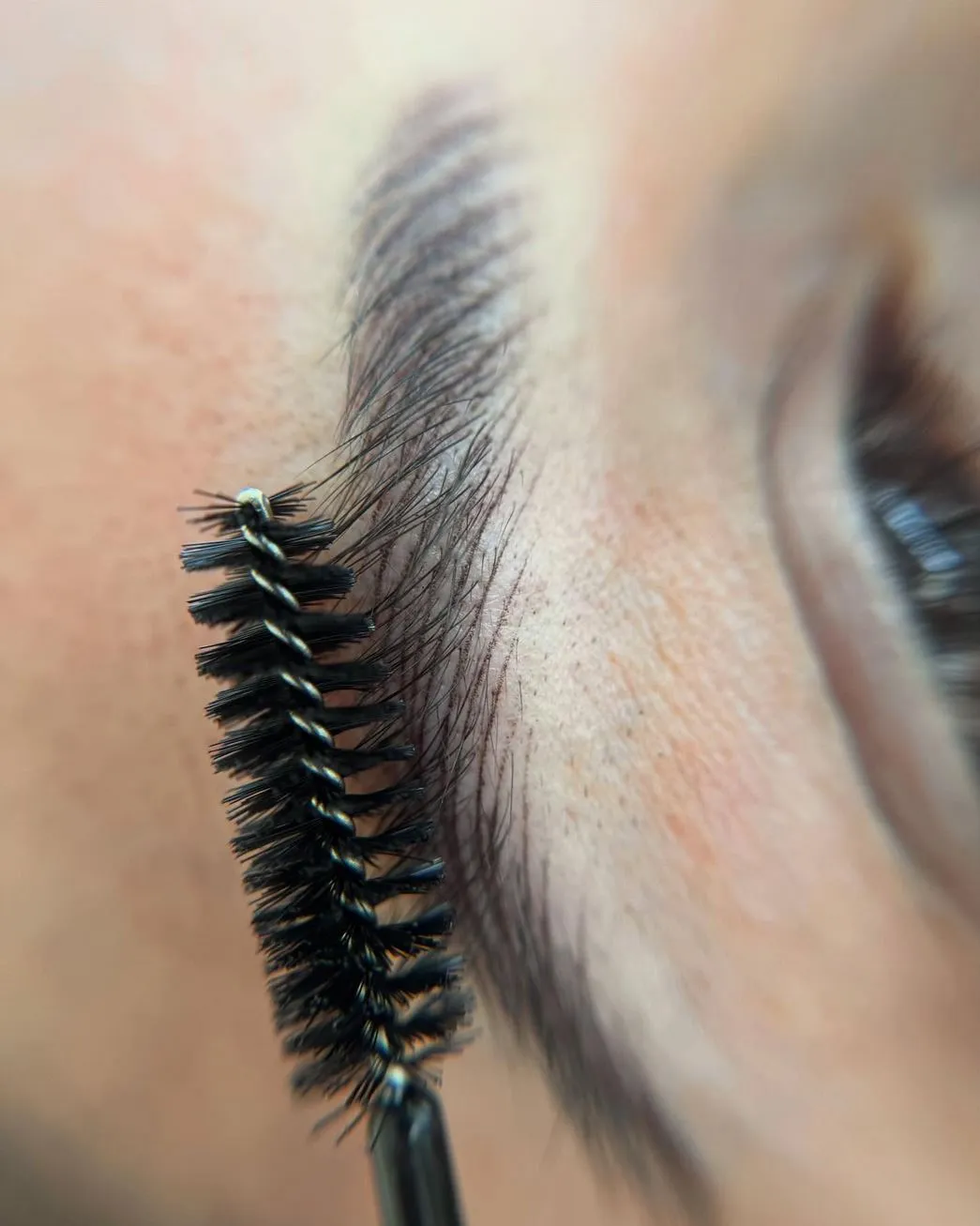
Many beginner training courses include:
- A tattoo machine (or microblading hand tools)
- Needles/cartridges
- Pigments (typically 3-5 shades matched for various skin tones)
- Brow rulers, pencils, and callipers for accurate brow mapping
- Disposable hygiene items (razors, masks, gloves)
- A training manual
Some training academies give you a fully stocked kit you can use on your first 10+ clients. Others give bare minimums. Always ask what’s included before booking.
FAQ
Do I need experience to take a brow tattoo course?
No. Many beginner courses are designed for people with no beauty background, though some lash or makeup experience helps with confidence and coordination.
How long before I can work on paying clients?
Usually after your first few live models and supervised work, you’ll start with discounted or free models. Most students take 3–6 months before feeling confident to charge full price.
Is brow tattooing safe for all skin types?
Yes — with proper technique and pigment selection. Some skin types (like very oily or scarred skin) require adjustments, which good training will cover.
Do I need a tattoo licence in Melbourne?
Yes. You’ll need to complete infection control training and register your premises with your local council. Your trainer should walk you through this.
What’s the difference between microblading and machine brows?
Microblading uses a manual blade (microblading hand tools), while machine brows (what we teach at Face Figurati) use a digital tattoo machine. Machine methods are more versatile, safer on sensitive skin, and longer-lasting.