Kakadu National Park of Australia, designated as a UNESCO World Heritage Site, has an important cultural and historical significance because of its ancient Aboriginal rock art which dates back to thousands of years. These rock art galleries not only demonstrate the strong history and traditional culture of the aboriginals but also is part of the living culture among the indigenous communities today. This article examines the range and depth of Kakadu’s rock art and shows how these old expressions are crucial to contemporary cultural identity in Aboriginal Australia.
The History Of Aboriginal Culture In Kakadu
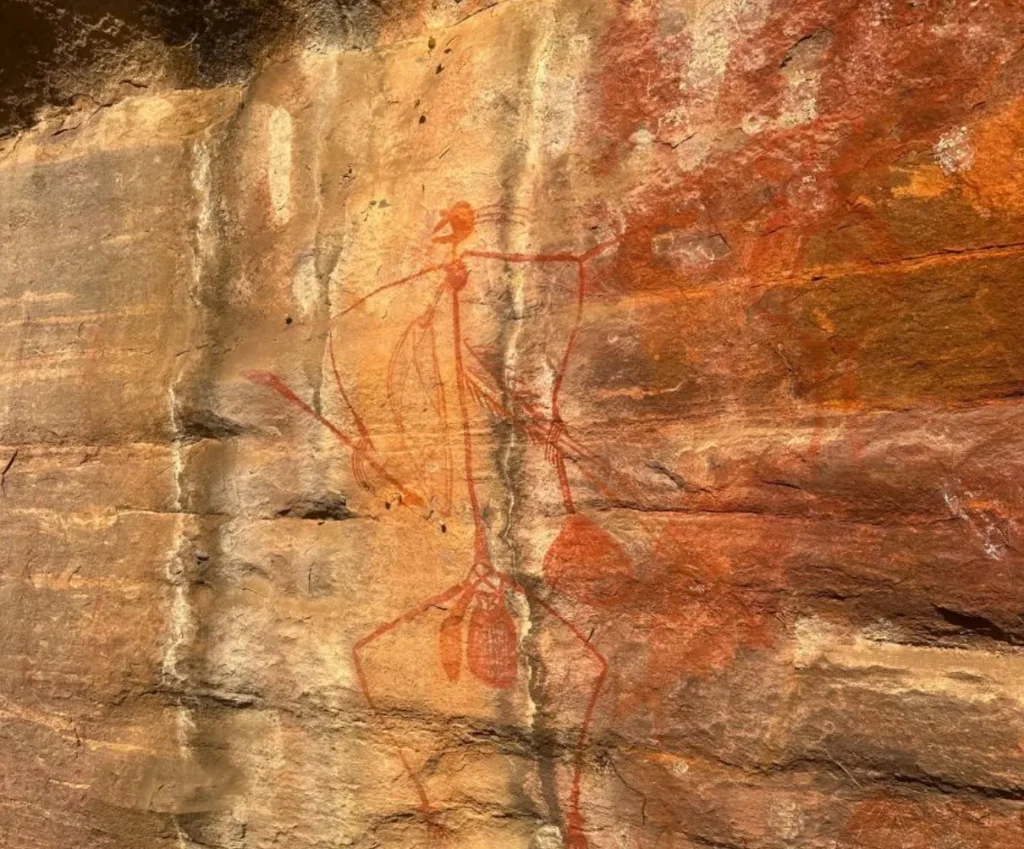
The park’s sandstone walls have a deep history of Aboriginal culture inscribed on them, where each painting tells a story about how Indigenous people used to relate to their homeland. One of Earth’s oldest living cultures can be seen in Kakadu National Park, providing insights into its people’s lives and beliefs throughout millennia. Among other things, these ancient lands contain a detailed representation of what Aborigines’ daily lives entailed; beyond being merely historical documents, they become bridges between past and present that substantiate Aboriginals’ unbroken cultural continuity.
Ancient Lands And Rock Art Sites
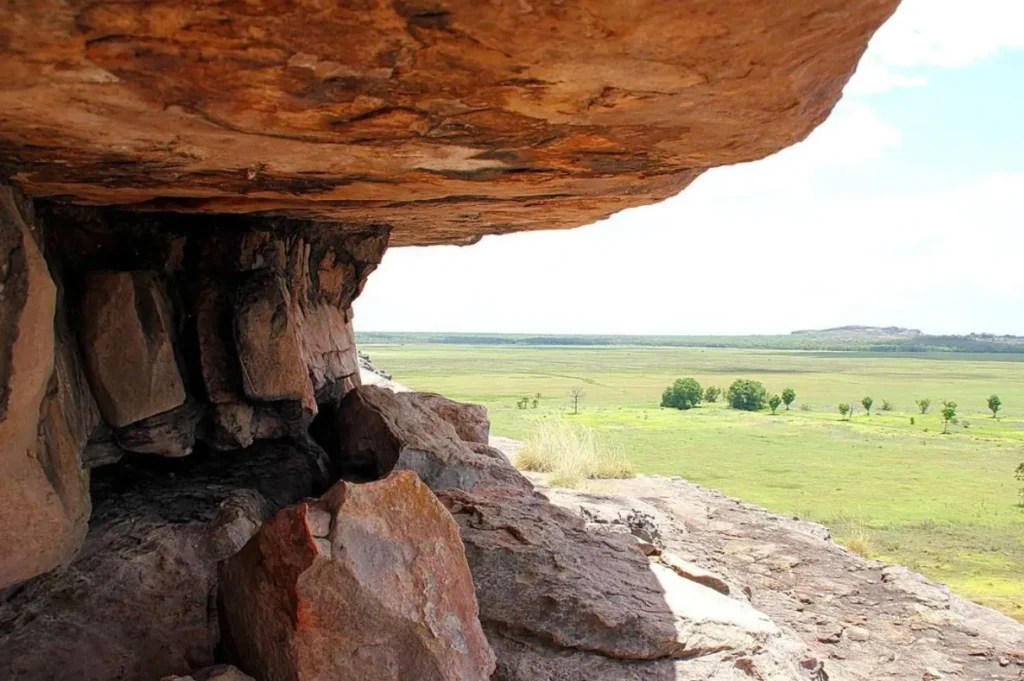
Kakadu is home to several rock art sites that are an integral part of its overall Aboriginal cultural landscape. Ubirr or Nourlangie aren’t just remnants from time immemorial; they are venerated as sacred places by Aborigines; they are still connected to their ancestors spiritually. Rock paintings dating over 20,000 years provide glimpses into life for early inhabitants of this area ranging from day-to-day activities scenes to religious/mystical creatures creating what was once a thriving culture on these ancient lands.
Importance Of Rock Art In Aboriginal Culture
The artistic aspects contained within Kakadu’s rock art go far beyond aesthetics for it is enfolded deeply within Australian aboriginal fabric, serving as one of the principal tools for educating them, spiritual practices and maintaining personal history. Each picture or engraving is but a piece of a greater narrative that reflects the beliefs, values, and rules of the Aboriginal people. It is this rock art that forms an essential part of the communities’ rituals and ceremonies as it is considered a vital link to their cultural heritage from time immemorial.
Significance Of Rock Art Galleries
Kakadu’s rock art galleries are among the most important archaeological and cultural sites in the world because they provide a unique insight into Australia’s aboriginal past. These galleries are significant for their historical and cultural value as well as for their aesthetic quality which demonstrate various styles and subjects that underline how deeply spiritually connected the indigenous peoples are with their homeland.
Connection To Living Culture And Traditions
In Kakadu, rock carving is more than just an echo of what was done long ago; instead, it is part of a vibrant contemporary community. It has become an important teaching tool about ancestral knowledge among young Aboriginals. At these rock art sites, through ceremonies and traditional teachings depicted on rocks, stories and laws come alive, continuing to shape community life today.
Types of Rock Art in Kakadu
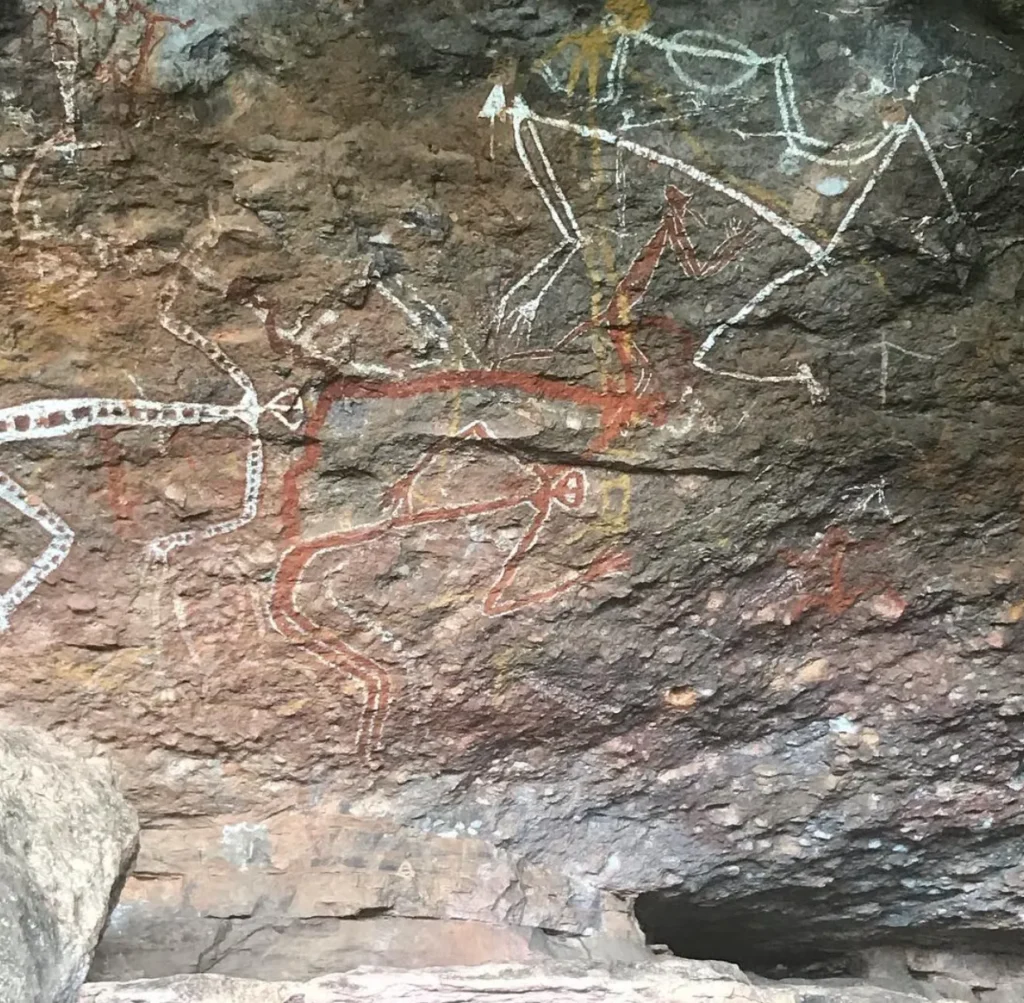
The rock art diversity within Kakadu reflects the complex aboriginal history and culture that has been evolving for thousands of years. Each site, each style reflects a different dimension of the ancient people’s lives, beliefs, and surroundings.
Ubirr
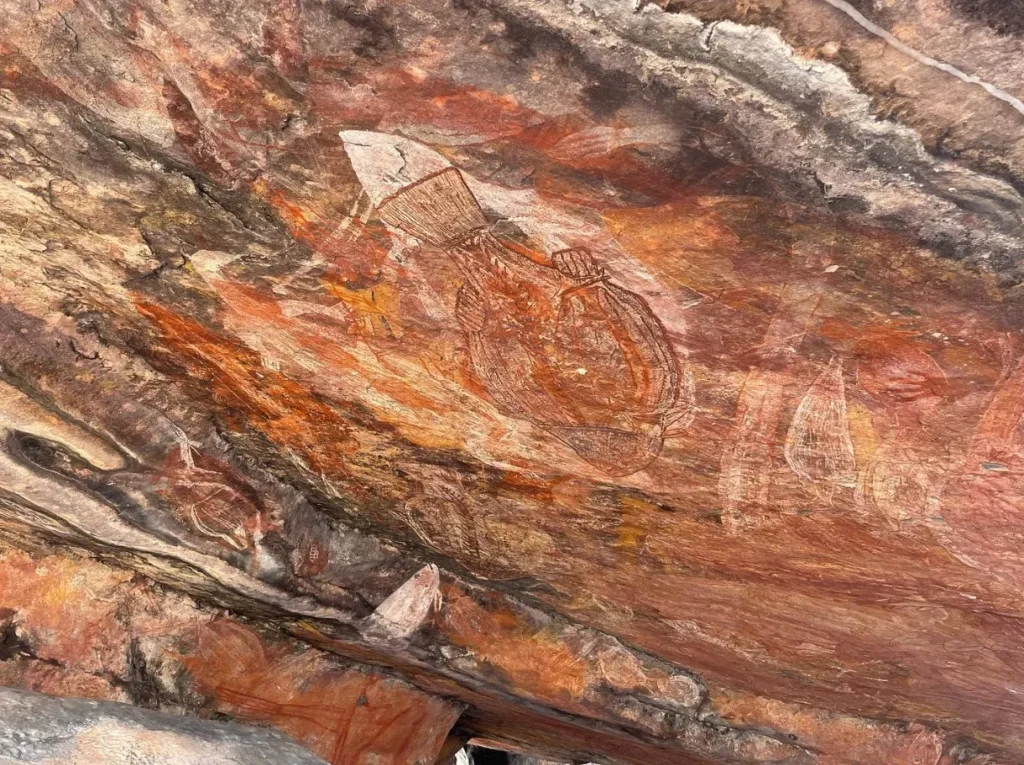
As one of the most popular rock art sites in Kakadu National Park, Ubirr attracts tourists from various regions around the world with its magnificent galleries. Here, Aboriginal life is represented in rock art with hunting scenes such as gatherings and spiritual ceremonies. The galleries at Ubirr are most renowned for their animated figures and x-ray style because they illustrate animal and human internal anatomy through what is thought to have been used by ancestors to teach younger generations about anatomy and butchery.
Nourlangie
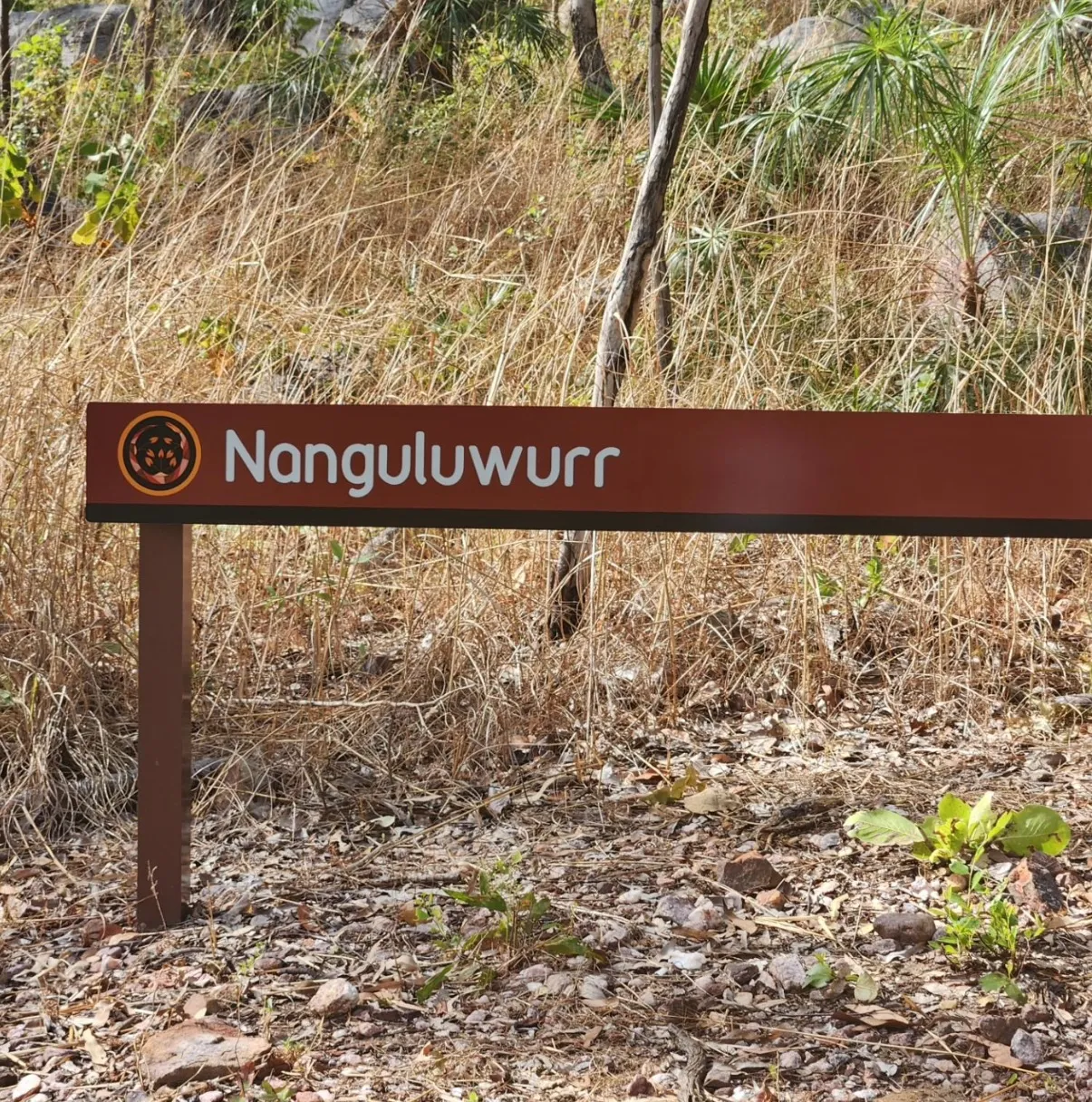
At Nourlangie Rock, changing patterns of the environment over many thousands of years are recorded through the depiction of animals and plants throughout this area. This site also includes a representation of ancestral spirits who play a central role in the cosmology and belief systems adopted by local indigenous people. Nourlangie not only provides an amazing backdrop but also gives deep insight into the spiritual life, among others, that has existed since times immemorial in Kakadu.
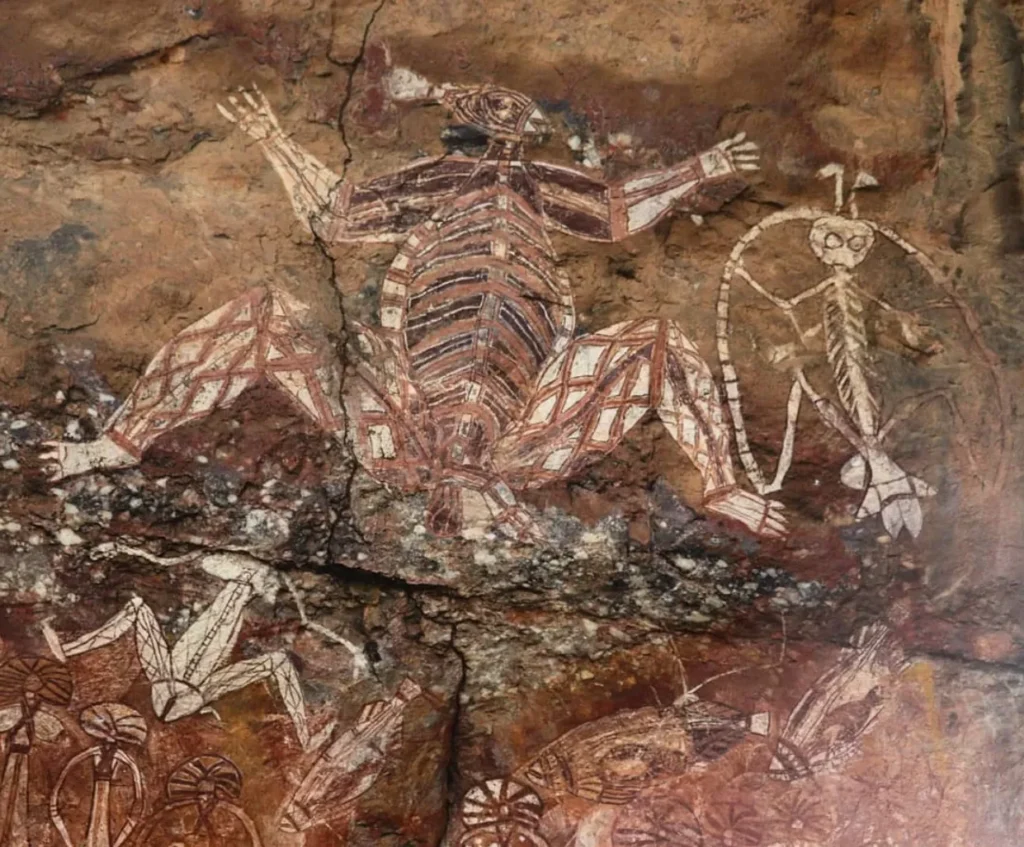
Famous Rock Art Sites in Kakadu
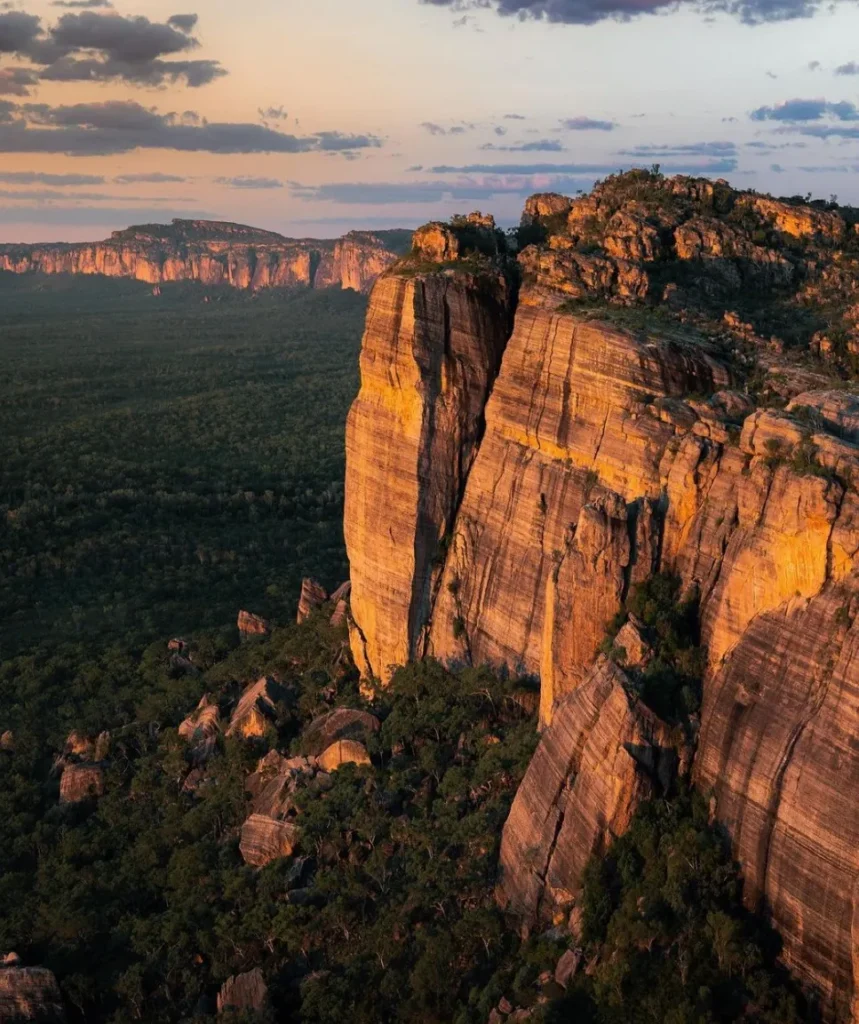
Apart from Ubirr and Nourlangie, there are other important rock art sites within the park that give distinct interpretations on Aboriginal pasts.
Yellow Water Rock Art Site
This rock art site is located next to Yellow Water Billabong which features numerous representations of water birds, fish species and other wetland occupants depicted through its works. It can be seen that location near billabong illustrates strong relationship between Aboriginal people with their natural surroundings therefore it indicates significance attached to water bodies within their culture as well as survival needs.
Adelaide River Rock Art Galleries
Rock arts along the Adelaide River vividly portray interactions between Aboriginals and different kinds of animals found in the region, which also include locations known for jumping crocodile viewing spots in Australia. The area displays various forms of art that include animated figures and scenes illustrating hunting activities, religious ceremonies, and daily routines, among others, emphasizing a deep connection with nature by aboriginals.Arnhem Land Sandstone Structures
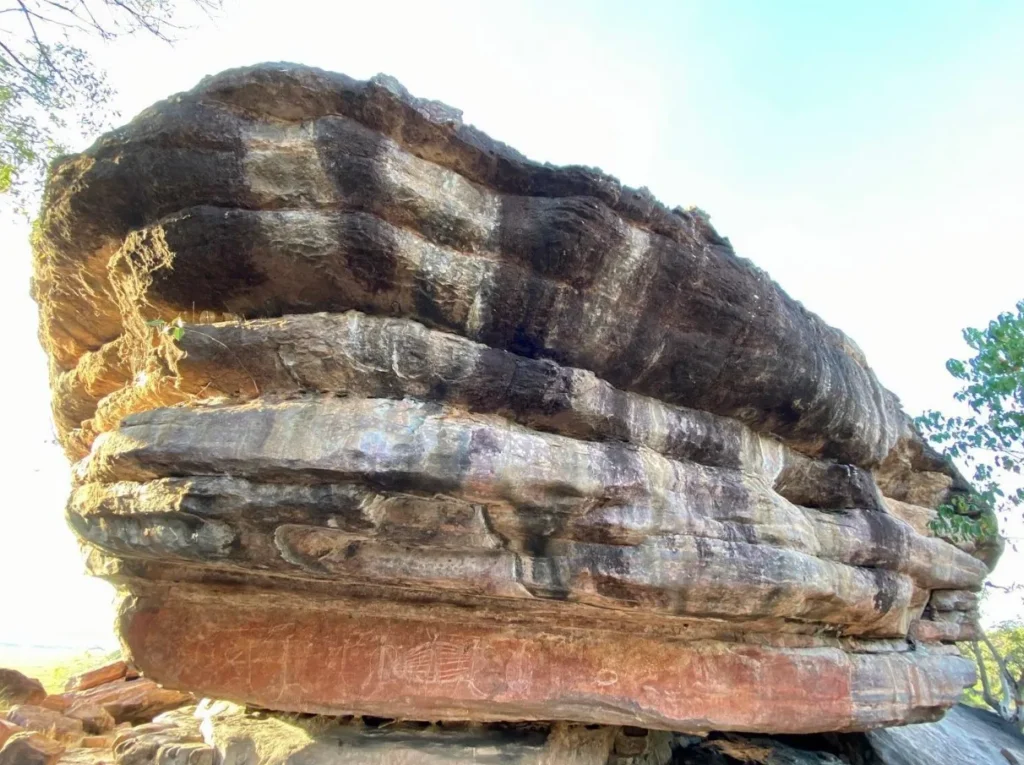
This sandstone formations lying near Arnhem land are covered with intricate carvings which serve as evidence to the high level of artistic skills and creativity possessed by old occupants of this area. In addition to showing physical existence, these carvings also represent spiritual narratives and cultural lore belonging to Aboriginal communities.
Preservation Efforts for Rock Art
In order to keep this bridge from the past to today intact so that future generations can also appreciate and learn from these cultural treasures, preservation is critical for the ancient rock art in Kakadu.
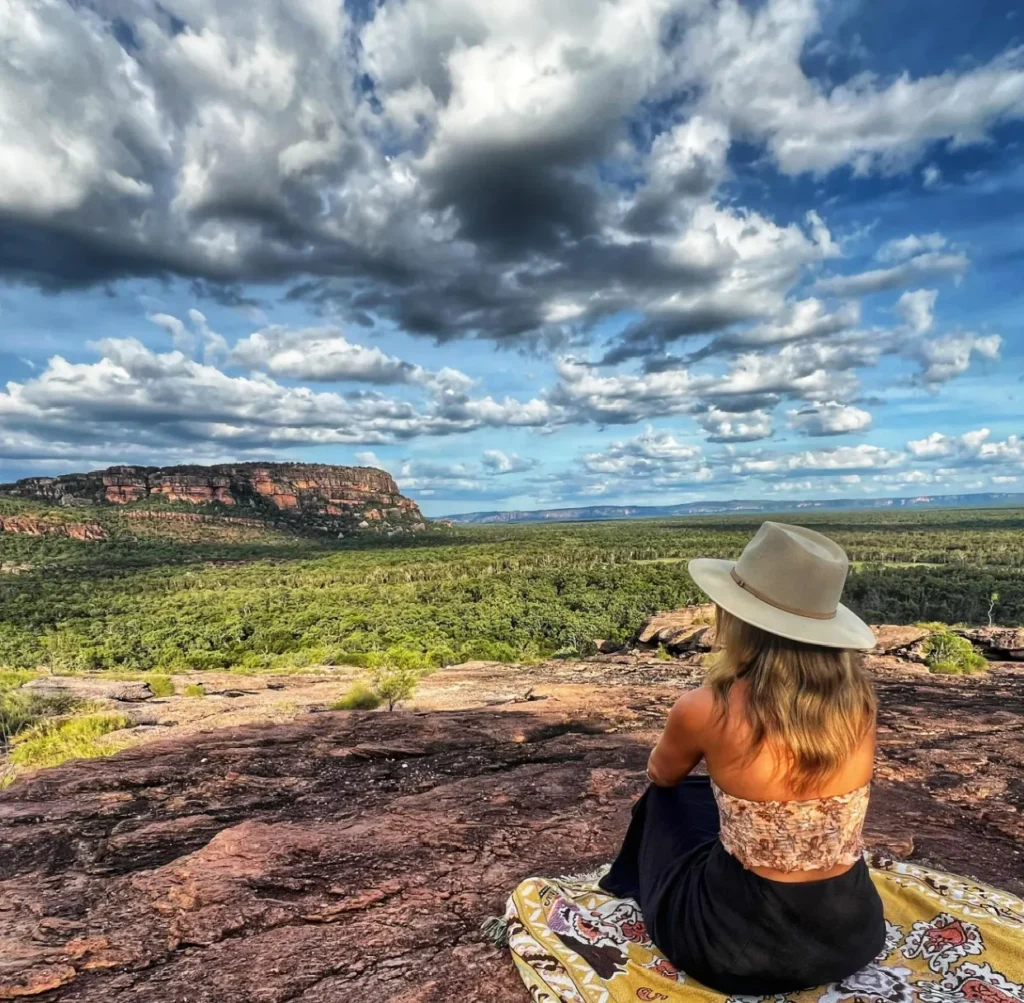
Conserving Rock Art
The preservation practices involve meticulous techniques that merge traditional Aboriginal knowledge with modern conservation processes. Through their cooperation, scientists and custodians ensure that no harm or erosion occurs on these ancient artworks in harsh environmental conditions.
Dating Rock Art
These dating methods have been invaluable in providing timeframes for some of Kakadu’s rock art, thus giving us a glimpse into the lives of its ancient inhabitants. They help archaeologists understand how occupation sequence occurred as well as the development of art styles over periods spanning thousands of years through such dating methods.
Modernity in Fine Art
The influence of archaic themes in contemporary Aboriginal art is obvious as it often features customary subjects and styles to communicate historical stories and present-day happenings. This amalgamation of new and old conspires to thicken the cultural tapestry of Indigenous Australian groups, ensuring that their heritage remains ever-present and significant in the contemporary world.
Take a Trip
One can gain deep insight into the realm of Australia’s indigenous cultures by discovering Kakadu’s rock art sites. These guided tours to Kakadu include explanations about certain historical times as well as relevant personal accounts and cultural explanations from trained aboriginals hence enlightening visitors.
Obtain Advice from Travel Experts
Prior to leaving for Kakadu, it is prudent to talk with travel consultants who specialize in organizing trips aimed at exploring Aboriginal culture and heritage. They may also be able to give advice on how best to preserve cultural areas, good seasons for visiting them or even ways through which you will enjoy your trip more.
Conclusion
However, the rock art found at Kakadu National Park is not just ancient pictures painted on rocks; rather they are living proof of the rich culture and ancient history of Australian aborigines. Presently, these pieces serve as a bridge between different generations, allowing modern people to understand one of the most ancient civilizations that still exist. As we strive to protect these priceless resources thus we must also comprehend some aspects embraced by these works hence this ancient artwork continues being both a source for knowledge and inspiration forever.
FAQs
What should people do if they want to respect rock art sites?
In order not be disrespectful towards any particular site individuals should ensure that all park rules are adhered to during their stay there, walk only along marked trails listen carefully when guides speak about different sites’ importance.
How can an average person differentiate between various forms of rock art?
Different types may include: contact imagery (which might depict European items) or x-ray art (showing internal organs), which is often discernible through technique and subject matter. A knowledgeable guide can help explicate these nuances, for example, distinguishing x-ray art that shows internal organs from contact art that might portray European items.
What are some tips for the best viewing experience of rock art in Kakadu?
Morning or late afternoon visits allow for better lighting as well as cooler temperatures. Also consider coming during the dry season when all sites offer the utmost accessibility.
Are photographs allowed at rock art sites?
Although photography is permitted in many areas, some locations may have certain restrictions to safeguard the artwork and honour cultural traditions. Check first with park staff or your guide to see if you can take pictures.
How is the local community involved in the management of Kakadu National Park?
Local indigenous people participate actively in park management programs at Kakadu. They are part of decision-making processes; they help maintain this area and conduct cultural 5 day Kakadu tours, telling about significance of land and its past.